
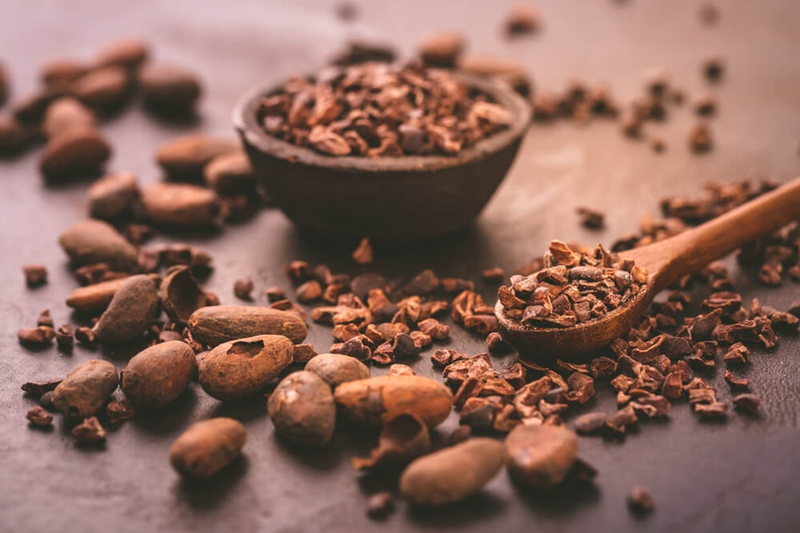
Cacao nibs are tiny pieces of cacao beans. They have a strong, natural chocolate flavor and a crunchy texture. It is made of grinding cacao beans and breaking them in to small chunks.
Cacao nibs aren’t sweetened, while sweetened chocolate products are sweetened. They have a bold taste and are convenient in smoothies, baked goods, breakfast bowls, granola, trail mix and other recipes.
What Are Cacao Nibs?
Cacao nibs are the part of the cacao bean that you eat after the husk has been taken off. Cacao beans are fermented, dried, roasted, broken and separated from their shells to become nibs, depending on treatment.
They are crunchy with a natural chocolatey bitterness. Cacao nibs are usually not sweetened, so they’ll give you the flavor of chocolate without the sugar you’d find in chocolate chips or candy.
How Are Cacao Nibs Made?
Cacao nibs are processed from cacao pods that are harvested from cacao trees. The beans are removed from the pods and fermented to develop their characteristics.
After fermentation, the beans are dried. Then the outer shells are stripped off, leaving the pieces of cacao inside. These are nibs .
Depending on the product and the production process, the beans may be roasted first, then the shells removed. The final nibs can then be packaged for use in cooking, baking and other recipes.
Cacao Nibs Nutrition Information
Cacao nibs contain natural fat, fiber, protein, minerals and other components of the cacao beans.
Below is approximate nutritional information for a 1-ounce (28-gram) serving:
|
Nutrient |
Amount |
|
Calories |
~175 kcal |
|
Total Fat |
~12 g |
|
Saturated Fat |
~7 g |
|
Carbohydrates |
~8 g |
|
Dietary Fiber |
~9 g |
|
Protein |
~4 g |
|
Sugar |
~0 g |
|
Magnesium |
~65 mg |
|
Iron |
~3.3 mg |
Values can differ by product, serving size, and processing method. For the most accurate information, always check the nutrition label on the specific cacao nib product.
Are Cacao Nibs Unsweetened?
Most cacao nibs are naturally unsweetened, because they are chips of the cacao bean, not a finished chocolate product.
That means they taste more bitter and stronger than sweet chocolate. For a more subtle flavor, blend cacao nibs with naturally sweet ingredients, such as fruit, dates or other recipe ingredients.
Always check the ingredient list, as formulations can vary from product to product.
How to Use Cacao Nibs in Everyday Recipes
Cacao nibs are a great source of crunch and deep chocolate flavor in many foods.
Smoothies
Add cacao nibs to smoothies with ingredients like bananas, nut butter or milk alternatives. And sprinkle them over a finished smoothie too.
Oatmeal and Yogurt
Cacao nibs add extra texture and cocoa flavor to oatmeal, yogurt or breakfast bowls.
Baked Goods
Add them to cookies, muffins, banana bread, brownies and other baking recipes. They can add a crunchy counterpoint to softer ingredients.
Granola and Trail Mix
Combine cacao nibs with nuts, seeds and dried fruit for a simple homemade trail mix or granola mix.
Desserts
Sprinkle cacao nibs on ice cream, smoothie bowls and other desserts. 6. Their texture makes them handy if you want a crunchy chocolate component.
For a ready-to-use option, see cacao nibs.
Cacao Nibs vs. Chocolate Chips
Recipes might ask for cacao nibs or chocolate chips, but they are not the same.
|
Feature |
Cacao Nibs |
Chocolate Chips |
|
Principal ingredient |
Cacao bean chunks |
Chocolate paste or cocoa |
|
Sweetness |
Generally unsweetened |
Usually sweetened |
|
Texture |
Crunchy |
Soft or firm, depending on type |
|
Flavor |
Strong and a little bitter |
Sweeter chocolate taste |
|
General Use |
Toppings, blends, baking |
Baking and melting |
Why Keep Cacao Nibs in Your Pantry?
Cacao Nibs are a handy thing to have on hand for a number of recipes. Add them to breakfast bowls, baked goods, smoothies, granola, trail mix or desserts anytime you want to add cacao to a dish. Their versatility makes them easy to use in all kinds of everyday recipes and creative kitchen projects.
Add Cacao Nibs to Your Favorite Recipes
Ready to try cacao nibs? Start with a simple use such as sprinkling them over oatmeal or yogurt, adding them to a smoothie, or mixing them into your next batch of cookies.
Choose a product based on its ingredient list, nutrition label, cacao source, and processing information, then use the nibs in recipes that match your preferred flavor and texture.
Frequently Asked Questions
What are cacao nibs made from?
Cacao beans are processed to make cacao nibs. The beans are removed from their cacao pods, fermented, dried and processed to get rid of their shells. Inside the shells are the remaining pieces, the cacao nibs. Depending on the product, the beans may also be roasted before cracking and separating.
How do cacao nibs taste?
Cacao nibs are loaded with chocolate flavor and have a naturally bitter taste. They're typically unsweetened so they are much less sweet than chocolate chips. Their crunchy texture can provide a contrast to soft foods such as oatmeal, yogurt, smoothies, baked goods, and desserts.
How can you use cacao nibs?
Add cacao nibs to smoothies, oatmeal, yogurt, granola, trail mix, cookies, muffins, brownies and other recipes. And they are great toppings for smoothie bowls and desserts. They are crunchy and have a deep cocoa flavor and are useful in recipes where you want to add texture.
Are cacao nibs the same as chocolate chips?
No. Cacao nibs are the actual pieces of cacao bean and are usually unsweetened. Chocolate chips are pieces of chocolate . Chocolate normally contains sweeteners and other ingredients . Nibs are more crunchy and have a more intense cocoa flavor. You use chocolate chips because they are sweet and they melt.
Can you eat cacao nibs without cooking them?
Yes, raw cacao nibs can be eaten. They are crisp and have a strong cocoa taste, slightly bitter. You can eat them plain or mix them with things like nuts, seeds, dried fruit, yogurt, oatmeal or smoothies.
How should cacao nibs be stored?
Store your cacao nibs in a cool, dry place away from light and moisture. A good seal on the container will help to retain texture and flavor. Storage Instructions see product packaging Recommended storage conditions can vary based on the particular cacao nib product.