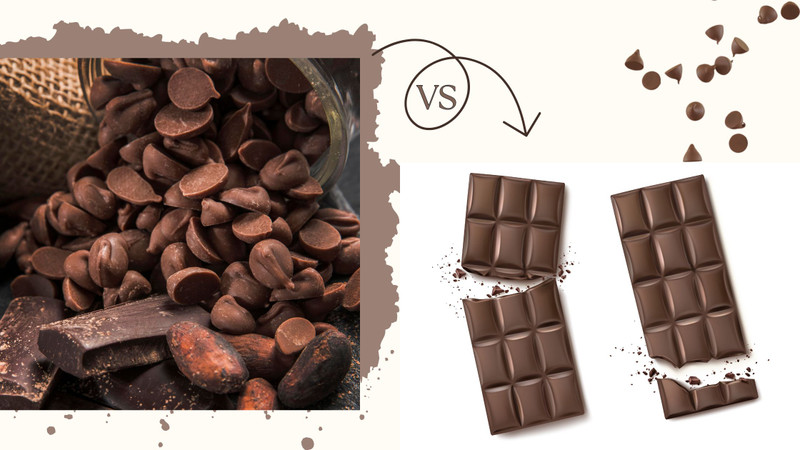
Cacao and dark chocolate are both made from cacao beans but they are not the same food. In general, cacao is used to describe minimally processed cacao products. Dark chocolate is a blend of cocoa or cacao solids with ingredients such as cocoa butter, sugar and sometimes other flavoring ingredients.
If you want to look for cacao vs dark chocolate then the better comparison will depend on the particular product, its ingredients, processing, cocoa percentage and serving size. Both can have minerals and compounds that are naturally found in the cocoa plant but they have different nutritional profiles.
In this article, we will look at the comparison of cacao vs dark chocolate nutrition including their naturally occurring compounds, ingredient profile, % of cocoa, processing and culinary uses.
Cacao vs Dark Chocolate
Cacao is much closer to the original cacao bean and has a high amount of minerals and naturally occurring plant compounds. Dark chocolate has similar compounds from cocoa, but its nutritional content will vary depending on the percentage of cocoa, sugars, and other ingredients added.
In general:
- Depending on the product, cacao products are a rich source of compounds and minerals from cacao.
- Dark chocolate is generally a blend of cocoa or cacao solids and cocoa butter, sugar and other ingredients.
- Dark chocolate with a higher percentage of cocoa usually has more cocoa ingredients and fewer ingredients from added sugar.
- The nutritional value of any product depends on the ingredients, the processing, and the serving size.
- Dark chocolate is relatively calorie dense due to its cocoa butter and other fats.
Cacao: Nutritional Composition and Naturally Occurring Compounds
Polyphenols, including the flavanol epicatechin, are naturally present in cacao. Depending on the cacao beans, the processing methods and the end product, the amount of these compounds can be highly variable.
Cocoa flavanols are compounds that occur naturally in cacao. Their presence and amounts depend on the source of the cacao, the processing methods used and the type of chocolate product.
Therefore, it’s better to compare cacao and dark chocolate based on the product, ingredients, processing and nutrition facts rather than broad claims about all cacao or chocolate products.
Cacao's Flavor and Composition
Cacao also contains natural compounds such as theobromine and small amounts of caffeine.
Cacao is valued for its deep, earthy cocoa flavor in food applications and can be added to oatmeal, smoothies, yogurt, drinks, baked goods, desserts and other recipes.
Cacao as an ingredient allows consumers to control the other ingredients added to a recipe from sweeteners to fats, fruits, nuts and other components.
Dark Chocolate: Composition and Culinary Characteristics
Dark chocolate contains compounds from cocoa, such as flavanols and polyphenols, but the amount can vary significantly from product to product.
How much cocoa is in the product? The type of cacao used. How it was fermented, roasted and processed. How the recipe was formulated.
Dark chocolate is best understood by looking at its cocoa content, ingredients, and how it is used in cooking.
Cocoa Percentage and Ingredient Composition
Dark chocolate can contain varying proportions of cocoa-derived ingredients. As the cocoa percentage increases, the recipe generally contains a greater proportion of cocoa solids and cocoa butter and often less room for added sugar.
However, cocoa percentage should not be treated as a direct measurement of flavanol or polyphenol content because processing and formulation can affect the final composition.
Chocolate as a Premium Ingredient
Premium dark chocolate may be used as a couverture ingredient in the professional kitchen or at home. It can be used in desserts, baking, sauces, beverages, confectionery and other food applications.
If you are looking for health-based desserts or vitality-based recipes, you can use premium couverture chocolate with fruits, nuts, seeds, oats, yogurt and other whole-food ingredients.
Cocoa Percentage in Dark Chocolate
What Does Cocoa Percentage Mean?
The percentage of cocoa on a dark chocolate label tells you the percentage of ingredients that come from the cacao bean that usually contain cocoa solids and cocoa butter.
For example, 72% premium couverture dark chocolate is made of approximately 72% cocoa-based ingredients. The remaining ingredients are sugar, and other elements of the recipe.
A higher cocoa percentage often means:
- A more intense cocoa flavor
- Less room for added sugar
- A greater proportion of cocoa-derived ingredients
- Potentially more cocoa polyphenols although the exact amount varies by product, and processing
The cocoa percentage is useful when comparing chocolate bars but it should not be treated as a direct measurement of antioxidant content.
What Percentage of Dark Chocolate Should You Choose?
Dark chocolate commonly comes in cocoa percentages ranging from around 50% to 90% or higher.
Many people choose chocolate with 70% cocoa or more because these products generally have a higher proportion of cocoa, and may contain less sugar than lower-cocoa chocolate. A 72% premium couverture dark chocolate can provide a balance between a strong cocoa flavor, and sweetness.
When comparing products, check the nutrition facts and ingredient list as well as the cocoa percentage. Two chocolates with the same cocoa percentage can still have different amounts of sugar, calories, fat, and cocoa-derived compounds.
Cacao and Dark Chocolate Nutrition Comparison
The main nutritional difference comes from what is added to each product and how the cacao is processed.
| Features | Cacao | Dark Chocolate |
| Main ingredient | Cacao-derived product | Cocoa/cacao solids and cocoa butter |
| Added sugar | Often none, depending on the product | Usually present |
| Cocoa plant compounds | Naturally present | Present, but amounts vary with processing |
| Calories | Depends on the cacao product | Often relatively calorie-dense |
| Best way to compare | Check product and serving size | Check cocoa %, ingredients, and nutrition facts |
Using 72% Premium Couverture Dark Chocolate With Cacao
Premium Ingredient Profile
Combining cacao with 72% premium couverture dark chocolate can create a rich cocoa-forward ingredient combination for desserts, baking, beverages, and other recipes.
A product containing both can provide:
- Cocoa polyphenols
- Cocoa butter
- A cocoa flavor that is rich and pronounced
The overall nutritional composition is dependent on the whole recipe, the proportions of the ingredients, the processing and the serving size.
Health-Inspired Recipes and Everyday Food Applications
If you’re working on recipes with a nutrient-conscious or health-inspired theme, you can use 72% premium couverture dark chocolate.
It can be combined with fruits, nuts, seeds, oats, yogurt, or other ingredients to make desserts and recipes with a more ingredient-focused approach.
The chocolate should mainly be seen as a high-quality couverture ingredient, rather than a product promoted for a specific health benefit.
Taste and Texture
Cacao has a deep, earthy cocoa flavor while 72% premium couverture dark chocolate has a more complex and developed chocolate flavor with a balance of cocoa intensity and sweetness.
When combined, the two can create a unique cocoa flavor that is perfect for desserts, drinks, baked goods, confections, and other culinary uses.
Cacao vs Dark Chocolate: Which Should You Choose?
If you are looking for a versatile cocoa-derived ingredient for smoothies, oatmeal, baking, beverages or desserts, opt for cacao powder or other cacao ingredients.
72% premium couverture dark chocolate is your best choice for a quality chocolate ingredient, for professional desserts, baking, confectionery, beverages and other culinary needs.
When comparing cacao and dark chocolate, check the processing method, percentage of cocoa, the ingredients, nutrition facts, usage, and serving size.
Ultimately the best choice is dependent upon the recipe, flavor profile, ingredient preferences and how the product will be used.
Choosing the Right Ingredient
Both cacao and dark chocolate have cacao beans as the base ingredient, but they differ in formulation, processing, texture, flavor and culinary uses.
Cacao products can provide you with cocoa compounds and minerals that are naturally found in them, and dark chocolate is a blend of ingredients derived from cocoa, cocoa butter, sugar, and other ingredients.
Premium couverture chocolate can be a single ingredient in a larger recipe for consumers and professionals interested in health-inspired desserts or vitality-focused recipes.
A 72% premium couverture dark chocolate is especially handy when a recipe calls for a rich cocoa flavor, professional quality chocolate, and a balance between cocoa intensity and sweetness.
Like any food ingredient, reading the full ingredient list and nutrition facts can help consumers decide how a product fits into their recipes and eating patterns of choice.
Disclaimer: This blog is for general informational purposes only. Statements regarding cacao and chocolate are not intended to diagnose, treat, cure, or prevent any disease. Always consult a qualified health professional with any questions about your diet or health.
Frequently Asked Questions
-
What is the main difference between cacao and dark chocolate?
Cacao usually refers to minimally processed products made from cacao beans, such as cacao powder. Dark chocolate is a prepared food made with cocoa or cacao solids, cocoa butter, sugar, and sometimes other ingredients, giving it a different taste and texture.
-
Is a higher cocoa percentage better when choosing dark chocolate?
A higher cocoa percentage generally means the chocolate contains a greater proportion of cocoa-derived ingredients and often less added sugar. However, cocoa percentage alone does not show the exact nutritional profile. Always check the ingredient list, nutrition facts, and serving size.
-
What does 72% cocoa mean in dark chocolate?
A 72% cocoa chocolate generally contains about 72% cocoa-based ingredients, including cocoa solids and cocoa butter. The remaining portion usually includes sugar and other recipe ingredients. It often offers a stronger cocoa flavor with a balanced level of sweetness.
-
Can cacao and dark chocolate be used together in recipes?
Yes, cacao and dark chocolate can work well together in desserts, baked goods, drinks, and other recipes. Cacao can add a deep cocoa flavor, while dark chocolate adds richness, sweetness, and texture. The final result depends on the amounts and other ingredients used.
-
How should you compare cacao and dark chocolate products?
Compare the specific products by checking their ingredient lists, cocoa percentage, processing method, nutrition facts, and serving size. These details can vary between products, so they provide a clearer basis for comparison than making broad claims about all cacao or dark chocolate.