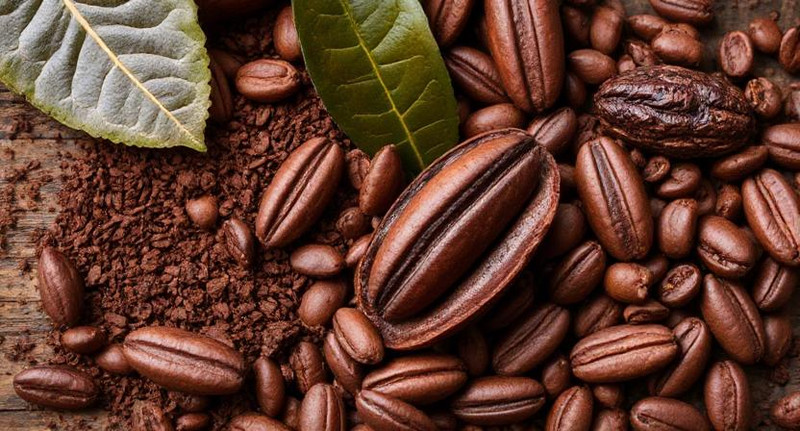
Cocoa has naturally occurring plant compounds called flavanols. The amount of flavanols remaining in cocoa depends upon the type of cacao beans, how they are processed, and what other ingredients are added to the final product.
So what is this high-flavanol cocoa? This is a reference to cocoa that has been carefully processed so that more of its natural flavanols are retained. If you look at the processing, the cacao content and the ingredients labels you can find cocoa products with higher levels of these compounds.
What Are Flavanols in Cocoa?
Flavanols are naturally occurring compounds found in the cacao bean as well as other plant foods. A lot of these compounds are in cocoa, but the processing can alter the amounts.
The amount of flavanols in cocoa can be altered during the processing such as by roasting or alkalizing. Less-processed cocoa may have more of its natural flavanols.
That’s why the method of processing is an important detail when comparing different chocolate and cocoa powder products.
What Is High Flavanol Cocoa?
High flavanol cocoa refers to cocoa produced by processes designed to preserve more of the flavanols naturally present in cacao beans.
The final level of flavanols depends on many variables, including the type of cacao beans used, and how they are fermented, dried, roasted and processed. Flavanol content, for example, may differ between alkalized and non-alkalized cocoa.
If you’re a consumer trying to compare one cocoa product with another, the label and product information can be a useful source of information about processing and cacao content.
How Does Cocoa Processing Affect Flavanols?
Processing can change the amount of flavanols that remain in cocoa.
Common processing steps include:
- Fermentation: Cacao beans are fermented after harvest, influencing flavor and composition.
- Drying: Beans are dried before further processing.
- Roasting: Heat brings out the familiar cocoa flavor but can also destroy naturally existing compounds.
- Alkalization: Also known as Dutch processing, this process alkalizes the cocoa to change the color, flavor and acidity and may decrease the flavanol content.
If you want to keep the flavanols, look for product information that explains the processing method.
How Can You Choose Cocoa High in Flavanols?
There is no label detail that tells you exactly how much flavanol a cocoa product contains. Instead, look at several details in concert.
Check the Processing Method
Select cocoa products that disclose the processing method of the cocoa. Non-alkalized cocoa may also have more of the naturally occurring flavanols than heavily processed varieties.
Look at the Cacao Content
Although it is not a precise measurement of flavanols, cacao percentage can be useful for comparing chocolate products. A higher cacao percentage does not necessarily mean a certain level of flavanols in a product.
Read the Ingredient List
A short clear list of ingredients can help consumers understand what’s in the product. For cocoa powder, ensure it is pure cocoa and that alkalization or other processing is listed.
Check Product Details
Some manufacturers provide more information about cocoa processing and flavanol content. If you can get this info, it can help you make a more accurate product comparison than percentage of cacao alone.
How Can You Use High Flavanol Cocoa?
Cocoa with a high flavanol content can be used in a wide variety of recipes and drinks for everyday use.
- Cocoa drinks: Combine cocoa powder with hot water or milk to prepare a simple cocoa drink.
- Smoothies: Use unsweetened cocoa powder for a more intense chocolate flavor.
- Oatmeal: Mix cocoa powder into oatmeal with your favorite toppings.
- Baking: Add cocoa powder to cookies, cakes, brownies and other chocolate recipes.
- Energy bites: Make some energy bites using cocoa, nuts, seeds and dried fruit.
For a cocoa drink idea, see the High Flavanols Cocoa Drink.
High Flavanol Cocoa vs. Regular Cocoa
The big difference is the amount of flavanols left after processing. These naturally occurring compounds are retained more by using processing techniques to make what is called high flavanol cocoa.
Normal cocoa may be further processed, including alkalization. Processing is different for products, so it’s helpful to check the label and manufacturer’s product information when comparing options.
Choose Cocoa With the Processing Details You Value
If you want to find cocoa with the flavanols still intact in their natural state, start with the basics: look at how the cocoa is processed, whether it has been alkalized, the cacao content and the ingredient list.
For more information about cocoa made to retain naturally occurring flavanols, see high flavanol cocoa powder .
FAQs About High Flavanol Cocoa
What is high flavanol cocoa?
High flavanol cocoa is cocoa that has been processed to retain a higher percentage of the naturally occurring flavanols in the cacao bean. The level of flavanols may vary depending on the beans and the method of production. When comparing cocoa products, it can be useful to check processing details, ingredient information and manufacturer specifications.
How does alkalization affect cocoa flavanols?
Dutch processing, also known as alkalization, affects the color, flavor and acidity of cocoa. This process may strip naturally occurring flavanols from cocoa. If you’re concerned about retaining flavanols, be sure to check whether or not the product has been alkalized and look for clear processing information on the label.
Does higher cacao percentage mean more flavanols?
A higher percentage of cacao doesn't necessarily tell you how much flavanol is in a chocolate product. The amount of flavanols can differ, depending on the cacao bean and how it is processed. The cacao percentage is a good label detail, but should be looked at alongside processing and ingredient details.
What should you look for when buying high flavanol cocoa?
Look for clear information on processing, alkalization, cacao content and ingredients. Non-alkalized cocoa may retain more naturally occurring flavanols. Additional information may be available via the manufacturer. Seeing these factors side by side will help you understand the difference between cocoa powders and chocolate products and how they are made.
Can high flavanol cocoa be used in baking?
Yes. Use cocoa powder in brownies, cakes, cookies, muffins and other baking recipes. It can also be added to oatmeal, smoothies, cocoa drinks or homemade snack recipes. If you want to keep more of the naturally occurring flavanols, check the processing information on the product before choosing a cocoa powder.
Is high flavanol cocoa the same as raw cocoa?
Not necessarily, no. “Raw” and “high flavanol” are separate product characteristics. The level of flavanol depends on the cacao beans and the processing techniques used. A high-flavanol product should provide some relevant information about processing or flavanol content, not merely the word “raw.”