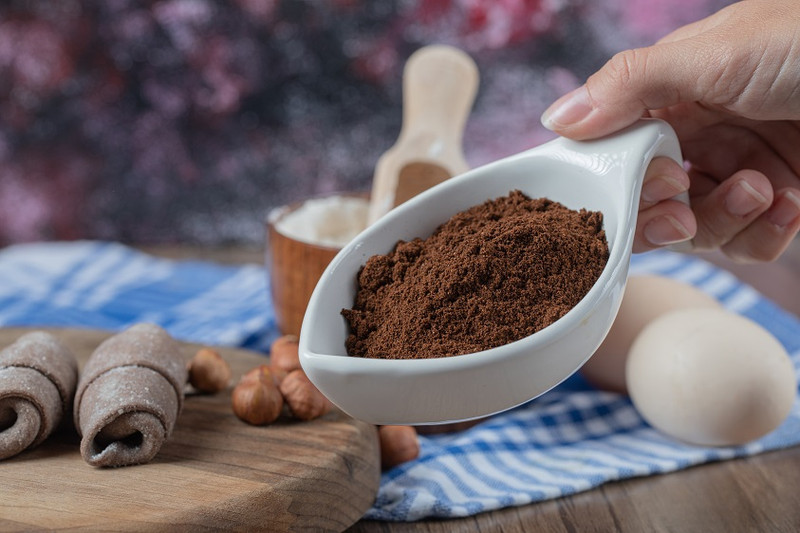
Cocoa powder is a kitchen workhorse, especially if you want the dark taste of chocolate but less sweetness. When you're baking brownies, making smoothies with cocoa powder, or whipping up homemade chocolate, the right zero sugar cocoa powder allows you to control flavor and sweetness.
Home cooks love unsweetened cocoa powder because there’s no added sweeteners and it can be used in many different recipes. But how do you choose the right one? In this Unsweetened cocoa powder buying guide, we’ll go over what to look for on the labels, the differences between the types of cocoa and how to use them in everyday recipes.
What Does Cocoa Powder Zero Sugar Mean?
The most common kind of zero sugar cocoa powder is unsweetened cocoa powder. This is cocoa solids without added sugar. It gives you the natural taste of chocolate but not the sweetness of the ready made cocoa mixes.
There are two main types:
- Natural cocoa powder: Usually lighter in color and has a strong, slightly sour and fruity flavor.
- Dutch-processed cocoa powder: Cocoa powder that has been treated with an alkali to reduce its acidity. It is darker and has a milder smoother taste.
Both types work well in many recipes The choice is yours depending on the flavor you want and the other ingredients in your recipe.
Why Choose Cocoa Powder Without Added Sugar?
Cocoa powder means you can get a sugar-free handle on what you put in your food, and how sweet it is. So here are three reasons to consider it for your kitchen.
1. Better Control Over Flavor
You can add as much sweetness as you like to the unsweetened cocoa. You can mix it with maple syrup, stevia, coconut sugar and other sweeteners when making desserts and drinks.
2. Suitable for Different Eating Preferences
Keep unsweetened cocoa powder in your pantry if you want recipes with less added sugar. Depending on serving size and other ingredients, it can fit into many different eating plans. Check the nutrition label every time, especially if you are dieting.
3. Versatile for Everyday Recipes
You can use unsweetened cocoa powder in many recipes, such as homemade chocolate bars, sauces, smoothies and baked goods. It provides you with a flexible chocolate base without the need for pre-sweetened mixes.
How to Choose Unsweetened Cocoa Powder: What to Check on the Label
A product labeled “cocoa” or “chocolate powder” may still contain sugar. Some cocoa mixes include added sweeteners, milk solids, or flavorings. Check these details when shopping.
Ingredient List
Look for labels that read “100% cocoa” or “unsweetened cocoa powder.” Cocoa should be the only ingredient ideally. If you want total control over sweetness, ditch products with added sugar.
Processing Type
The way cocoa is processed affects its flavor, color and acidity.
- Baking soda generally works in recipes requiring natural cocoa powder.
- Dutch-processed cocoa powder is good for recipes that require baking powder or no chemical leavening.
The type of cocoa can change the final baking result , so always use the one in the recipe instructions.
Fat Content
There are varying fat percentages of cocoa powder. Cocoa powders that have more fat have more cocoa butter and can give a richer mouthfeel. The lower-fat stuff might be good for everyday baking and drinks. See the product specifications for the right fit for your recipes.
Best Ways to Use Cocoa Powder Zero Sugar
Fancy techniques aren't needed to make delicious chocolate recipes. Here are some easy ways to use unsweetened cocoa powder.
Baking
You can add unsweetened cocoa powder to brownies, muffins, cookies, cakes and other chocolate desserts. This allows you to control the sweetness, while adding a rich cocoa flavor.
It also works in recipes made with almond flour, coconut flour or oat flour. For best results, use the type of cocoa your recipe calls for.
Smoothies
Add a tablespoon of cocoa powder to a banana, nut butter or avocado smoothie. They lend a natural sweetness and a creamy texture. A cocoa powder smoothie is a simple way to add a chocolate flavor to your breakfast or afternoon snack.
Hot or Frozen Cocoa
If you want to make chocolate drinks at home, mix cocoa powder with warm or cold milk and sweetener of your choice.
For the best cocoa powder for drinking, choose a Dutch-processed cocoa for a mellower flavor, or a natural cocoa for a bolder flavor. Whisk or blend so there are no lumps.
DIY Chocolate
You can make homemade chocolate using unsweetened cocoa powder. Melt the cocoa butter, stir in the unsweetened cocoa powder, add your sweetener. Pour mixture into molds and set according to your recipe.
What Makes a Good Cocoa Powder?
When choosing the best unsweetened cocoa to use in desserts, keep these three things in mind:
Flavor Depth: A good cocoa powder should smell chocolatey and taste balanced. Depending on the cocoa beans and how they are processed, you can get some fruity, earthy or nutty notes.
Freshness: Cocoa powder loses some of its aroma over time. Check the packaging date and select a product in a tightly sealed package. Store in a cool, dry place.
Consistency: A fine, even powder mixes more easily into batters, drinks and sauces. This breaks up lumps and gives a smoother texture.
Santa Barbara Chocolate carries a selection of unsweetened cocoa powders for a variety of kitchen uses. See each product’s label and specification for ingredient, processing and fat content information.
Choosing the Right Cocoa Powder for Your Kitchen
The best cocoa powder for you is the one you like to use. For recipes that require the acidity of natural cocoa, use natural cocoa; for drinks, sauces, and appropriate baked goods, use Dutch-processed cocoa for a smoother flavor.
Check the ingredient list, processing type, fat percentage and packaging when buying cocoa powder without added sugar. This information will help you choose a product that will suit your cooking needs.
Santa Barbara Chocolate offers the best unsweetened cocoa for desserts, baking, beverages and homemade chocolate recipes. Browse the available options and choose the cocoa powder that best suits your kitchen needs.
Frequently Asked Questions
Does unsweetened cocoa powder contain sugar?
If the list of ingredients simply says cocoa, the cocoa powder has no added sugar. Natural cocoa solids contain trace amounts of natural carbohydrate, such as sugars, but not to any appreciable degree. Check the nutrition facts and ingredient list for the sugar content of the product.
What should I look for when buying unsweetened cocoa powder?
See 100% cocoa or unsweetened cocoa powder. Check the ingredients list, the processing type, the fat content and the packaging. If you’re baking, drinking or making homemade desserts with pure cocoa powder, stay away from mixes that have sugar or other ingredients added.
What is the difference between natural and Dutch-processed cocoa powder?
Natural cocoa powder is also lighter in color and has a more acidic taste. Dutch-process cocoa has been treated with an alkalizing agent, which makes it darker in color and smoother in flavor. Different brands have different levels of acidity and this can affect baking so choose per your recipe.
Which unsweetened cocoa powder is best for desserts?
That depends on recipe. Natural cocoa is fine for many of the traditional brownie and cake recipes that call for baking soda. Dutch-processed cocoa is also fine for recipes that require the milder flavor. Always check your recipe before replacing one for the other.
Can I use unsweetened cocoa powder for making chocolate drinks?
Yes, unsweetened natural cocoa powder is fine for making hot and cold chocolate drinks at home. Mix with milk or milk alternative. Add sugar to taste. Dutch cocoa is not so strong. Natural cocoa is a little acidic chocolate flavor and it’s more intense.
How should I store unsweetened cocoa powder?
Store in a cool, dry place in an airtight container. Unsweetened cocoa powder. Keep away from strong odors and direct sunlight. Keep in a dry place to avoid caking. Store as directed by manufacturer See pack for best before date.