Ever wondered whether baking cocoa and cocoa powder are the same thing? The answer is often yes, but the type of cocoa powder can affect the flavor, color, and texture of your baked goods. Understanding the difference can help you choose the right cocoa for brownies, cakes, cookies, and other recipes.
This guide explains baking cocoa vs cocoa powder, the differences between natural and Dutch-processed cocoa, and how each type works in baking.
What Is Cocoa Powder?
Raw cocoa beans are ground up and most of the cocoa butter is taken out to make cocoa powder. This leaves behind a fine, dry powder. This powder makes baked goods taste like dark chocolate and is often considered the best cocoa powder for baking when used correctly. Cocoa powder comes in two main types:
- Natural Cocoa Powder – This is the most popular kind of cocoa powder. It's a light brown colour, and it tastes sharpy acidic. Natural cocoa powder is frequently used in recipes that call for baking soda because of its ability to react with the baking soda's acidity to help baked goods rise.
- Dutch-Processed Cocoa Powder – Also known as “alkalized cocoa,” this type is treated with an alkaline solution to neutralize its acidity. It gets darker and tastes softer and smoother after this process. It's often used with baking powder instead of baking soda.
When recipes call for “cocoa powder” without any specific mention, they usually refer to natural cocoa powder.
What Is Baking Cocoa?
Let's talk about making cocoa in the oven. People often get this term mixed up because it sounds like a different product. Usually, "baking cocoa" is just another word for "cocoa powder," especially when it comes to baking cocoa that isn't sweetened. There is no sugar added like in hot cocoa mixes; it is just cocoa powder meant to add flavour and colour to baked goods.
So, is cocoa powder and baking cocoa the same thing? In many cases, yes—particularly when recipes refer to unsweetened cocoa.
How Do Baking Cocoa and Cocoa Powder Differ?
Baking cocoa and cocoa powder are often used interchangeably, but the terms can refer to different types of cocoa depending on the product and recipe.
- Sweeteners: Hot cocoa mixes you find at the store often contain sugar and milk powder, but baking cocoa and cocoa powder used in recipes are unsweetened.
- Processing: Cocoa powder can be either natural or Dutch-processed, as was previously mentioned. It's not always clear what people mean when they say "baking cocoa." Sometimes they mean raw cocoa powder.
- Flavor Profile: Dutch-processed cocoa has a smoother, less acidic flavor, while natural cocoa has a more robust, slightly tangy taste.
When you’re choosing between the two, pay attention to the recipe. Some recipes specify which type to use, while others simply say “cocoa powder” or “baking cocoa.”
How Cocoa Powder Works in Baking
Cocoa powder baking can vary depending on whether you use natural or Dutch-processed cocoa. The type you choose can affect the flavor, color, and how the cocoa interacts with the other ingredients in a recipe.
- Rising and Texture: High quality cocoa powder for baking reacts with baking soda to make baked goods rise. The acidity of Dutch-processed cocoa has been neutralised, so it won't react the same way. This means swapping one for the other without adjusting the leavening agent could change how your cake or cookies rise.
- Color: Natural cocoa tends to make desserts look more brown, while Dutch-processed cocoa gives them a deep, rich chocolate colour.
- Taste: Dutch-processed cocoa is great if you want a rich, smooth chocolate taste. Natural cocoa is best if you like your chocolate to taste stronger and a little sour.
Understanding these differences can help you make better decisions for your cocoa baking recipes.
Can You Substitute One for the Other?
What if you only have one kind of cocoa on hand? Do you think it's okay to switch them? The good news? In many recipes, yes, you can substitute one for the other. But it’s helpful to know how:
- If the recipe uses baking soda: Stick with natural cocoa powder when possible because the acidity helps with leavening. If you only have Dutch-processed cocoa, you may need to adjust by adding an acid like cream of tartar or buttermilk.
- If the recipe uses baking powder: Dutch-processed cocoa usually works better since it doesn’t need to react with baking soda.
In a pinch, you can use them instead, but be ready for small changes in taste, texture, or colour.
How to Store Baking Cocoa and Cocoa Powder?
If you want the best results in cocoa baking, make sure your cocoa is fresh. Store it in a cool, dry place in an airtight container. While it won’t go bad quickly, cocoa powder can lose its flavor over time, so try to use it within a year or two of opening.
Also Read: 5 Easy Recipes Using High Flavanol Cocoa
Tips for Using Cocoa Powder in Baking
Want to get the most out of your baking cocoa and cocoa powder? Here are a few tips:
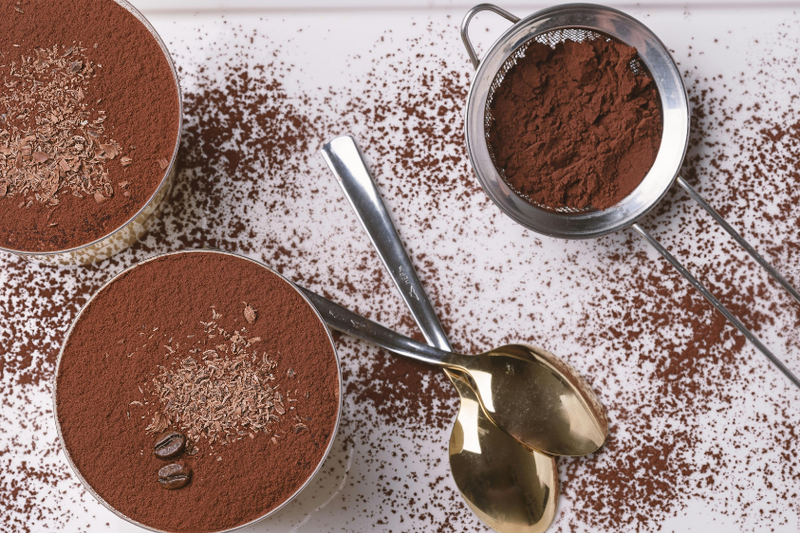
- Sift before using: It's easier for batter to mix when you sift the chocolate powder before adding it.
- Mix with hot liquid: Blooming cocoa powder in hot water or coffee can intensify its chocolate flavor.
- Pair with coffee: Adding a little coffee to chocolate makes it taste deeper without making the dessert taste like coffee.
These small tricks can make your cocoa baking even more delightful.
So, Is Baking Cocoa the Same as Cocoa Powder?
So, is baking cocoa the same as cocoa powder? In most cases, yes! They’re usually the same thing, but the real twist is whether it’s natural or Dutch-processed cocoa. That little detail can change the flavor, color, and texture of your brownies, cakes, and cookies in a big way. Natural cocoa brings a slightly tangy, classic chocolate taste, while Dutch-processed gives you a smoother, deeper flavor. Next time you’re baking, pay attention to which type you’re using or better yet, bake two versions of the same recipe and see which one wins over your taste buds.