You've probably heard of antioxidants, and how they help your health but what are flavonoids, and how do they work in everyday foods? Plant-based chemicals called flavonoids give foods their color, flavor, and health benefits. With their antioxidant qualities, these natural compounds help keep cells healthy, and prevent damage to cells. Diets that are high in plant-based foods often include these flavonoids.
Many flavonoids foods are part of a balanced eating plan including fruits, vegetables, tea, and chocolate. Among these, flavonoids in cocoa powder are highlighted for their unique nutritional properties.
Flavonoids Meaning: What Are They?
The flavonoids meaning refers to a class of polyphenolic compounds found in plants. They are responsible for the vibrant colors of many fruits, vegetables and protect plants from environmental stressors. In the same way, flavonoids protect the body by working as antioxidants, and helping with many bodily processes when they are eaten.
Flavonoids belong to a larger group of plant-based compounds known as polyphenols. Scientists have found thousands of flavonoids. They are sorted into groups by their structure and how they affect your health. A well-planned flavonoid rich diet includes a variety of plant sources to support daily intake.
Flavonoids Benefits: Why They Matter?
The flavonoids foods benefits extend beyond their antioxidant properties. These compounds are widely studied for their role in:
- Supporting Heart Health
Fruits, vegetables, and other plant-based foods all contain flavonoids which are naturally occurring chemicals. They are often included as part of balanced diet, and are valued for their role in supporting overall wellness.
- Fighting Oxidative Stress
When free radicals hurt cells, this is called oxidative stress. Flavonoids help get rid of these harmful molecules which lowers the risk of cell damage, and diseases connected to getting older.
- Boosting Brain Function
Some studies suggest that flavonoids support cognitive function by promoting better blood flow to the brain. Certain types of flavonoids especially those found in cocoa may contribute to memory and learning.
- Reducing Inflammation
Chronic inflammation is connected to various health concerns including joint pain, and metabolic disorders. Flavonoids have natural anti-inflammatory properties that may help reduce inflammation in the body.
- Supporting Immune Function
Flavonoids foods contribute to a diet that emphasizes a variety of plant-based nutrients, and antioxidants.
What Foods Contain Flavonoids? Best Dietary Sources
If you want to include flavonoids in your meals and are wondering what foods have flavonoids in them, focus on a variety of colorful plant-based foods. These flavonoid rich foods are key sources of daily intake. Some top flavonoid sources include:
-
Cocoa, and Dark Chocolate
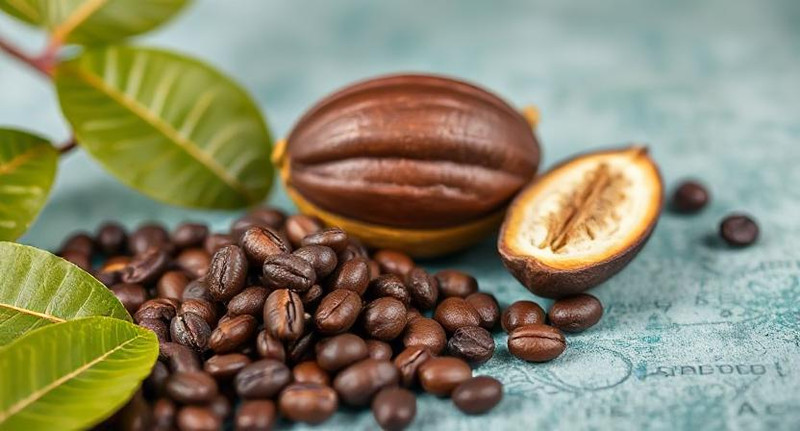
One of the richest sources of flavonoids is flavonoids in cocoa powder and dark chocolate though many people ask does all cacao powder have flavonoids which often depends on processing methods. The cacao plant is naturally high in these beneficial compounds, particularly flavanols, a subgroup known for their cardiovascular benefits. For chocolate high in flavonoids, opt for darker, less processed varieties.
-
Berries
Blueberries, strawberries, raspberries and blackberries are packed with flavonoids. These fruits are known for their antioxidant, and anti-inflammatory properties making them an excellent addition to any flavonoid rich diet.
-
Citrus Fruits
Oranges, lemons, limes, and grapefruits contain flavanones, a type of flavonoid known to support heart health, and circulation.
-
Green, and Black Tea
Tea is one of the most widely consumed flavonoid sources. Green tea has flavonoids called catechins that are very good at fighting free radicals. Flavonoids are also good for you in black tea, though they are in a slightly different form because of the brewing process.
-
Apples
Apples contain quercetin, a flavonoid with potential anti-inflammatory, and immune-supporting properties. Eating apples with the skin maximizes flavonoid intake.
-
Red Wine, and Grapes
Red grapes and red wine contain flavonoids like resveratrol; these may help your heart. However, wine should be consumed in moderation.
-
Leafy Greens, and Vegetables
Kale, spinach, onions, and broccoli offer a range of flavonoids foods to fit well into everyday meals.
Flavonoids in Cocoa Powder: A Powerful Source of Antioxidants
Cocoa powder has a lot of flavonoids, which make it stand out among other food types because they are good for you. A lot of research has been done on cocoa flavanol to see how it affects heart health, brain function and blood flow.
When choosing cocoa products, look for those with a high percentage of cacao, and minimal processing to retain the maximum flavonoid content. Natural or minimally processed flavonoids cocoa powder and dark chocolate with at least 70% cacao are ideal choices.
How to Incorporate More Flavonoids into Your Diet?
Adding flavonoid-rich foods to your meals is simple if you’re looking for practical ways on how to get flavonoids in your diet. Here are a few easy ways to do so:
- Snack on dark chocolate. For a flavonoid boost, choose dark chocolate with a lot of cacao.
- Regularly drink tea. Swap out sugary drinks for black or green tea to get more every day.
- Mix berries into your food. Put blueberries or raspberries on top of yogurt, oatmeal, or smoothies.
- Citrus foods are good for you. Eat more oranges and grapefruits, or squeeze lemon into water.
- Use cocoa powder in recipes – Add unsweetened cocoa powder to smoothies, oatmeal or homemade energy bars.
Including Flavonoids in Daily Life
Understanding what flavonoids are, what are flavonoids used for, and where they come from helps you make informed food choices. To naturally support a healthy diet, eat a lot of different flavonoids-rich foods, like cocoa powder, tea, berries, citrus fruits, and leafy greens.
By eating foods that have flavonoids - cocoa powder, tea, berries, and leafy greens. You can naturally support your well-being. Small changes toward a flavonoid rich diet help maintain steady intake of plant compounds.
Frequently Ask Questions (FAQs)
What are flavonoids good for?
Flavonoids are good for supporting heart health, reducing oxidative stress helping brain function, and maintaining overall cellular health through antioxidant activity.
What do flavonoids do for the body?
Flavonoids protect cells from damage. As a result, they help fight free radicals, keep the blood flowing, lower inflammation, and keep cells working well.
What foods contain flavonoids?
Flavonoids are found in berries, citrus fruits, apples, tea, cocoa, dark chocolate, onions, spinach and other plant-based flavonoid rich foods.
What are the best flavonoid rich foods for daily intake?
Berries, green tea, citrus fruits, apples, leafy greens, and cocoa goods with little processing are all common choices.
Can a flavonoid rich diet support overall wellness?
Yes, foods like fruits, vegetables, tea and cocoa that are high in flavonoids can help your body get enough antioxidants, and stay healthy.
