At Santa Barbara Chocolate, we are committed to producing high-quality chocolate and cocoa products with careful attention to safety, flavor, and responsible sourcing.
Why Heavy Metals May Be Present in Cocoa
Trace amounts of cadmium and lead may be found in cocoa and cocoa products.
Cadmium and lead may occur naturally in soil and the growing environment. Cadmium can be taken up by the cacao tree as it grows, with levels influenced by factors such as growing region and soil conditions. Naturally occurring levels of these elements in cocoa can therefore vary according to agricultural and geographic conditions.
Cacao also naturally contains minerals such as magnesium, copper, and iron as part of its overall nutritional composition.
Testing and Regulatory Context
Santa Barbara Chocolate uses accredited, independent laboratories to test selected raw materials and finished products as part of a risk-based quality-assurance program. The type and frequency of testing may vary according to the product, agricultural source, and production campaign. Laboratory information is evaluated together with supplier qualification, formulation controls, production records, and other quality documentation to support product-quality, food-safety, and labeling decisions.
Testing programs are designed to monitor naturally occurring heavy metals and to evaluate results within applicable regulatory frameworks, including:
- U.S. federal food-safety requirements
- California Proposition 65 settlement reference frameworks for chocolate and cocoa
California Proposition 65 Context
California Proposition 65 establishes requirements concerning consumer exposures to certain listed chemicals, including lead and cadmium.
Chocolate and cocoa products have also been the subject of Proposition 65 litigation and settlement frameworks addressing naturally occurring lead and cadmium. These settlements may use concentration- and exposure-based compliance frameworks, including provisions that vary according to cacao content and other product-specific factors.
Santa Barbara Chocolate considers applicable Proposition 65 requirements and relevant industry settlement frameworks as part of its quality-assurance and labeling review. Because regulatory requirements and settlement provisions may change over time and may depend on the particular product and circumstances, we do not present these reference levels as product-specific safety limits or guarantees.
Important Context
Trace metals are naturally present in the environment and cannot always be completely eliminated from cocoa or other agricultural foods.
Independent laboratory testing may also produce slightly different results based on methodology, equipment, or sampling techniques. For this reason, comparisons across third-party reports or isolated data points should be interpreted with care.
Santa Barbara Chocolate monitors results through ongoing quality review and independent laboratory testing, as appropriate, and evaluates findings against applicable U.S. food-safety and regulatory frameworks.
Our Approach
Our mission is to balance safety, flavor, and the natural qualities of cocoa.
We work closely with our suppliers to:
- Select cacao origins with consideration for naturally occurring trace-metal levels
- Maintain ingredient and supplier qualification standards
- Prioritize flavanol and polyphenol content while supporting product quality and food-safety requirements
Disclaimer
Trace levels of naturally occurring heavy metals may be present in agricultural products, including cocoa.
Santa Barbara Chocolate monitors and tests its products as part of its quality-assurance program and evaluates applicable food-safety and labeling requirements. Regulatory and industry reference values vary according to the applicable legal framework, product, formulation, and exposure assumptions.
Compliance determinations and labeling decisions may depend on formulation, serving size, frequency of consumption, and applicable exposure assumptions.
This information is provided for educational and transparency purposes only and does not constitute medical or legal advice.
Additional Context on Dietary Cadmium Exposure
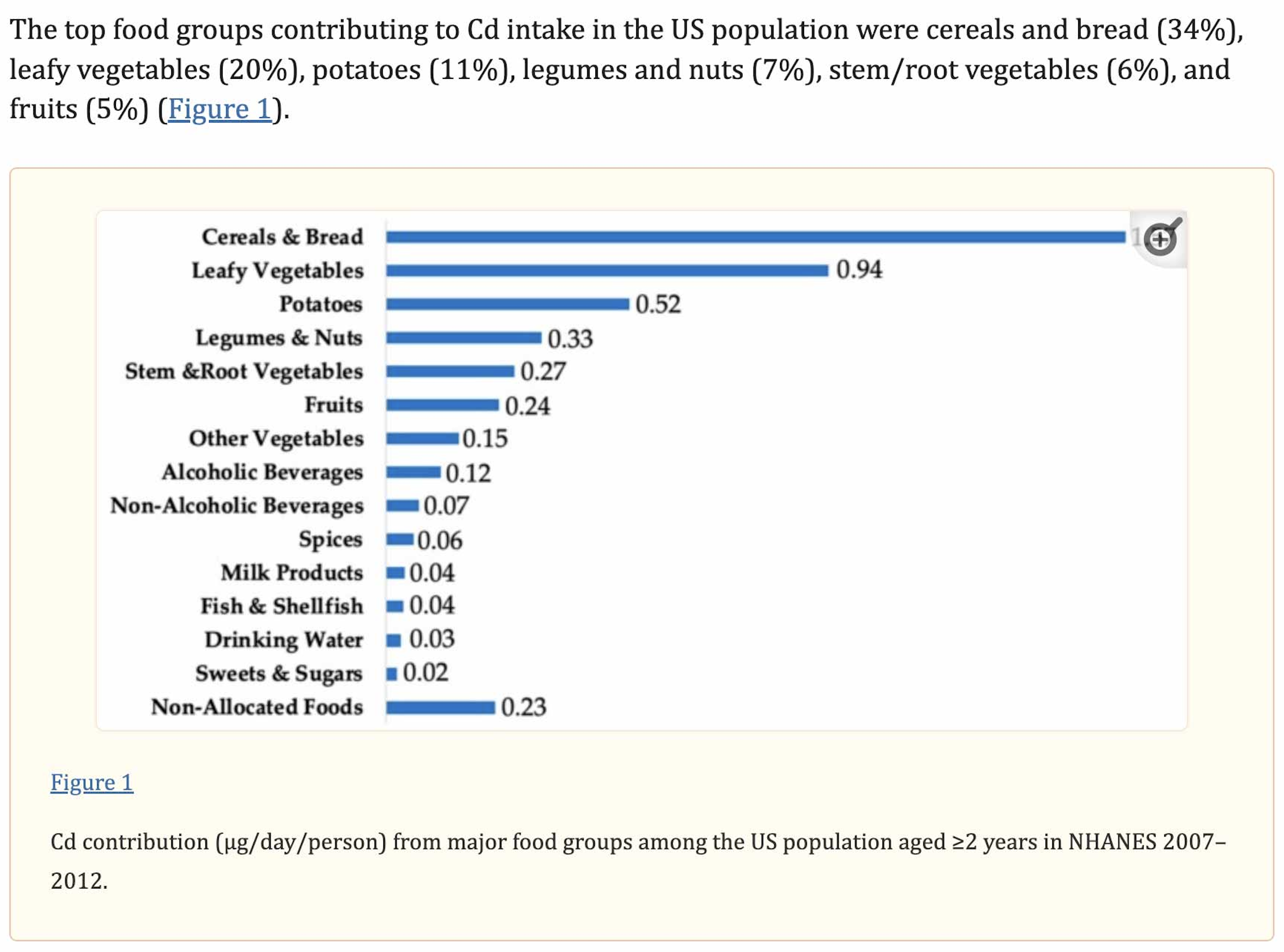
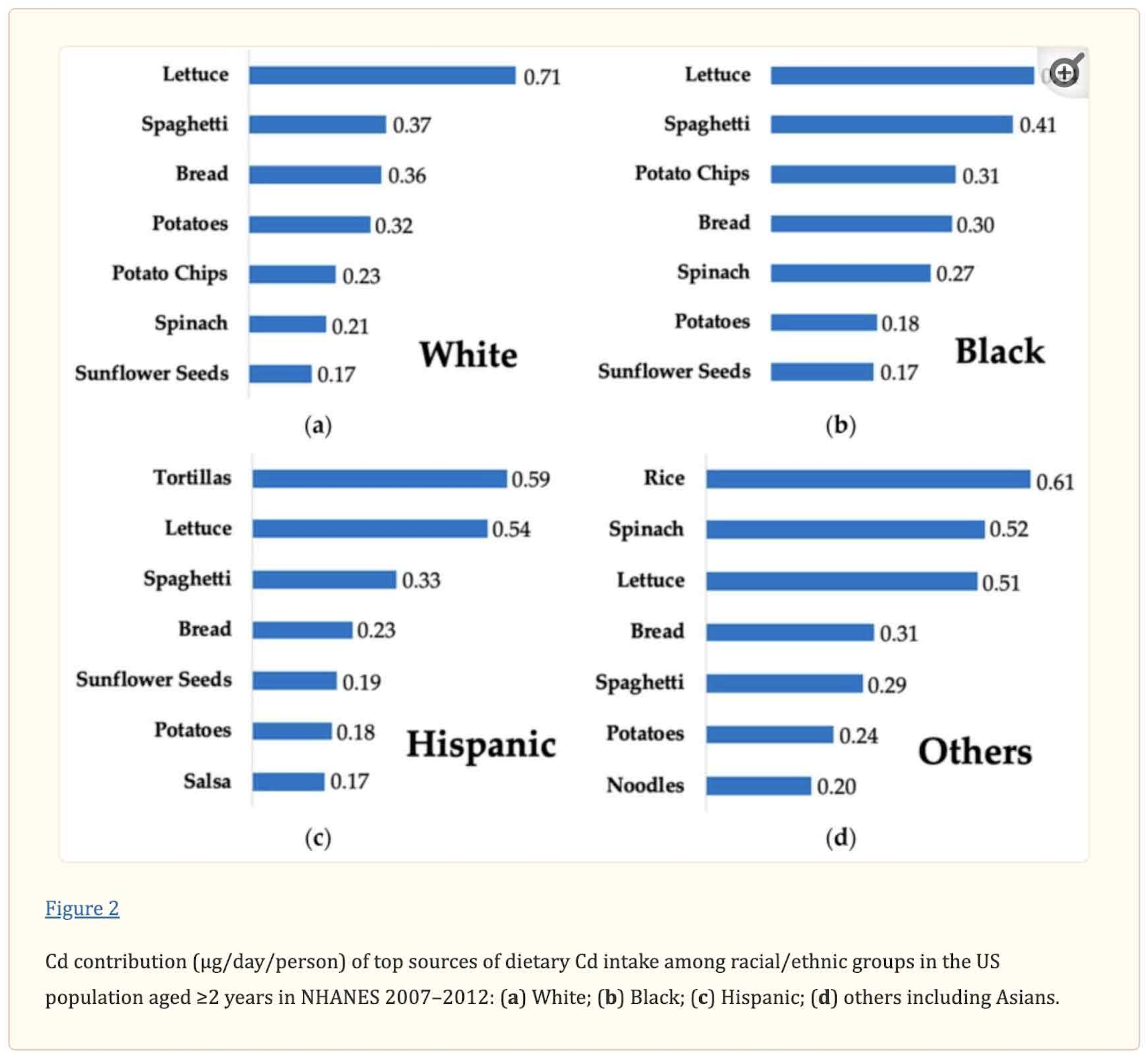
Source: Kim et al., Dietary Cadmium Intake and Sources in the US, Nutrients, based on NHANES 2007–2012 and FDA Total Diet Study data.